|
|
The 360
Stories, studies, and trends shaping SRM this month
July 2026 |
|
|
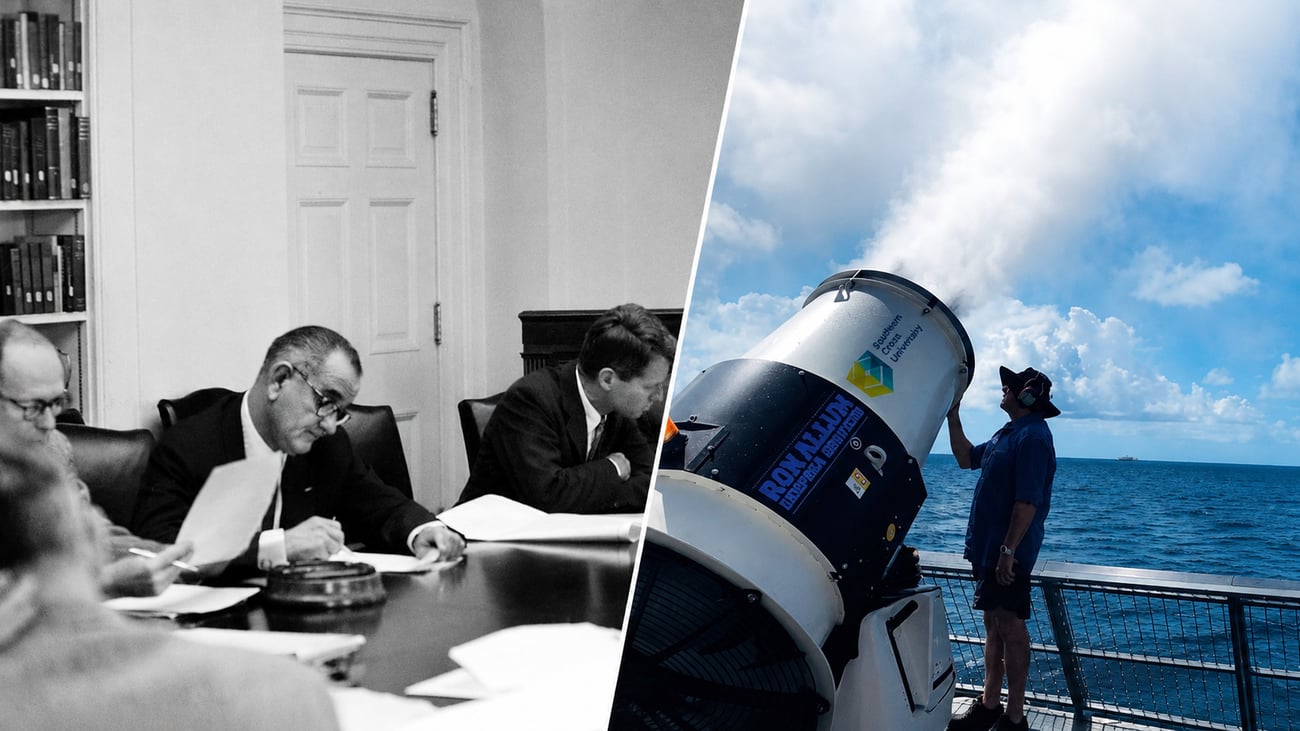 |
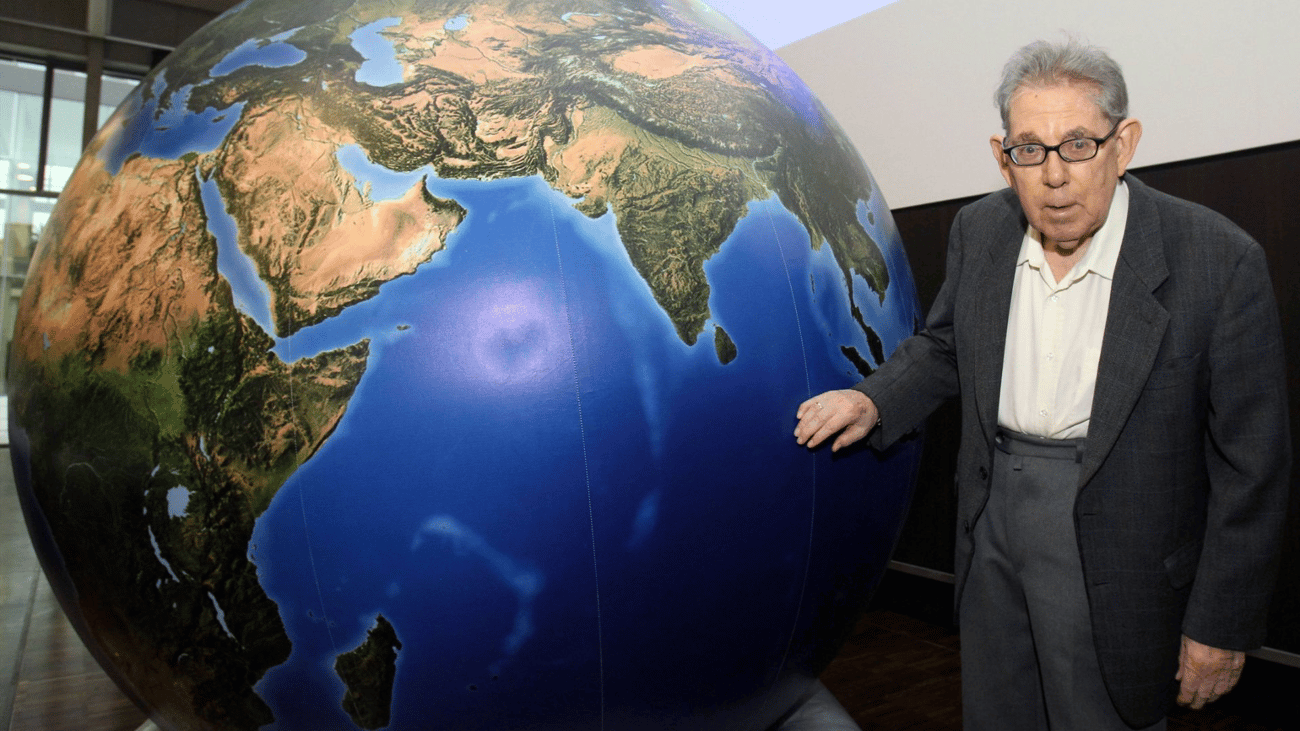
We trace key moments in SRM history, from a presidential briefing on climate change in 1965 to marine cloud brightening experiments in 2020 to where the field stands today. Photos: ZUMA Press Wire via Reuters Connect / Southern Cross University |
|
This month we're looking back over the history of solar geoengineering, with a timeline highlighting key moments and experts reflecting on the legacy of Paul Crutzen's contribution. On 16 July, we'll also be hosting David Keith, Sikina Jinnah, and Oliver Morton for a live discussion on how the field developed and where it may be heading. Register here to join or to receive the recording. |
| Explore the timeline |
|
Read on for more developments from across the field. |
|
|
New from SRM360 |
|
|
|
|
|
|
|
|
|
|
|
|
|
|
|
|
This month in SRM |
 |
Could marine could brightening be used to intentionally weaken El Niño? Photo: DPA/Picture Alliance via Reuters Connect |
|
|
Our read
Record ocean temperatures, a developing El Niño, and a European heatwave that was linked to the deaths of more than 10,000 people are sharpening questions about tools beyond mitigation and adaptation. A study suggesting that targeted marine cloud brightening could weaken El Niño drew significant attention – putting a specific SRM application against a specific climate threat. Meanwhile, a growing body of work is examining the perspectives and positions shaping the SRM debate – from the worldviews driving opposition to research, to public attitudes across Europe, to competing framings of SRM as a security tool. Whether these climate signals bring new urgency to those debates – or deepen the divides – is a thread we'll be following. |
|
|
A hotter world – and the roles that SRM could play
Could marine cloud brightening weaken El Niño?
With El Niño now building in the Pacific, a study by Wan et al. drew significant media coverage for suggesting that targeted marine cloud brightening could dampen El Niño's effects if deployed early enough – though the authors caution about unintended consequences. Check out the latest edition of Reflections, our weekly LinkedIn newsletter, for more.
Record heat and rising ocean temperatures
Europe's late-June heatwave was linked to more than 10,000 deaths, and ocean surface temperatures hit yet another record the same month. Putting this into perspective, Reuters launched a new tool for tracking how current climate conditions compare to historical records. A study by Kounta et al. finds that while SAI could reduce the average intensity and duration of marine heatwaves, it would do so unevenly, with limited benefits for some regions.
SRM engagement grows across the Global South
A new paper by Dove et al. analyses a decade of SRM engagement across the Global South, documenting growing research funding, government statements, and case studies of increasing regional activity. The authors recommend expanding research funding in the Global South, ensuring regional expertise informs decision-making, and strengthening collaborations both within and beyond the region.
A committee of the Parliament of Latin America and the Caribbean adopted a formal declaration recognising the importance of SRM for the region, emphasising that decisions should be guided by scientific evidence and multilateral governance while expressing caution about SRM's risks and uncertainties.
The African Tech Futures Labs launched the Climate Intervention Futures Initiative, a programme developing conceptual frameworks for governing climate intervention technologies – including solar geoengineering and carbon dioxide removal. A separate call for proposals is inviting research into the potential impacts of SRM in Sub-Saharan Africa, aiming to strengthen understanding of how different scenarios could affect the region's climate, communities, and critical systems.
In India, the debate played out across two opinion pieces in the Economic Times. The Alliance for Just Deliberation on Solar Geoengineering's Shuchi Talati and CEEW's Arunabha Ghosh argue that India should play an active role in shaping SRM governance, stressing that participation in research does not equate to endorsing deployment but is necessary to make informed decisions about a technology with significant implications for the Indian monsoon. Political scientist Prakash Kashwan strikes a more critical tone, warning that SRM could put the monsoon at risk and that its environmental uncertainties, geopolitical entanglements, and potential to weaken incentives for emissions reductions make it a gamble not worth taking.
How SRM is perceived – and debated |
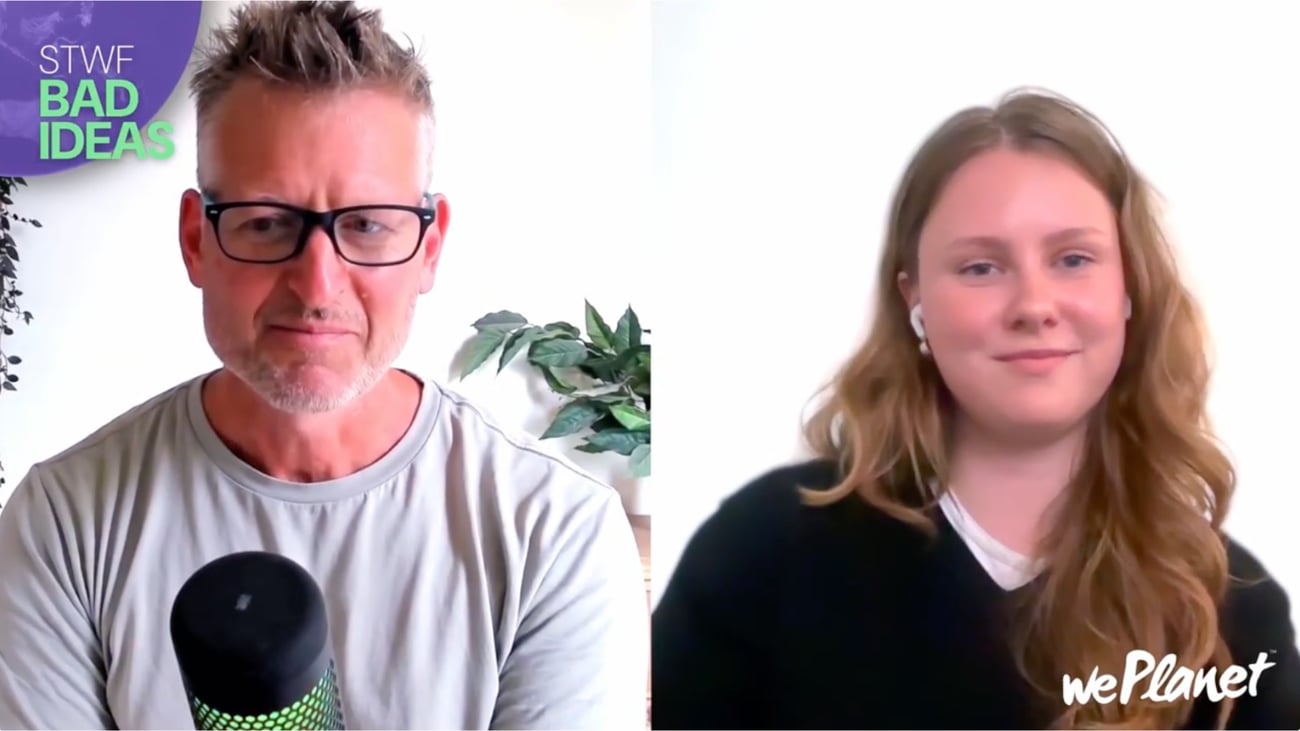 |
Mark Lynas joins Anni Pokela to discuss solar geoengineering on the WePlanet podcast. Photo: YouTube/WePlanet |
|
|
|
What drives opposition to SRM research?
A new paper by Gareth Davies offers one lens on this question, arguing that the most commonly cited objections to SRM research – side-effect risks, moral hazard, governance gaps, slippery slope concerns – each point toward more research rather than less. The deeper opposition, he suggests, is rooted in worldviews: ecological convictions about humanity's relationship with nature, and socio-economic concerns that climate stabilisation without systemic change would entrench an unjust status quo. Check out our recent edition of Reflections for a deeper dive.
What do Europeans think?
A brief by the Centre for Future Generations synthesises recent multi-country surveys and finds that most Europeans have never heard of SRM. Those introduced to it are generally not opposed to research, but attach conditions – favouring independent review, transparency, and trusted institutions. Many draw a clear line between indoor research, which is broadly accepted, and outdoor experiments, which are seen as needing international agreement.
The debate sharpens
In The Guardian, several senior climate scientists – Raymond Pierrehumbert, Julia Slingo, Michael Mann, and Valérie Masson-Delmotte – warn that solar geoengineering could create serious long-term risks, including dependence on continued deployment and potential termination shock. They argue that geoengineering cannot replace emissions reductions and worry about rising commercial and philanthropic funding for the field. For more on SRM's risks, check out our Guide, How Could SRM Go Wrong?
Speaking to the BBC, Mark Maslin, Professor of Earth System Science at University College London, outlined several solar geoengineering concepts which he says could buy time to decarbonise, while stressing their limits and the need for further research into both feasibility and ethics.
A commentary by Sofia Kabbej for the Alliance for Just Deliberation on Solar Geoengineering examines how SRM is increasingly framed in security terms – from ecological and human security to national defence and great-power competition. She warns that these framings are not neutral, risking the marginalisation of ecological perspectives if state-centric narratives come to dominate. Sofia joined us for a panel discussion on how SRM might affect global security earlier this year. Watch the recording.
In a recent podcast, Operaatio Arktis's Anni Pokela discusses with science author Mark Lynas how humans already alter the Earth system through greenhouse gas emissions and other activities, arguing that the question is not whether humans intervene in nature, but how such interventions can be managed responsibly. This echoes a framing that Mark shared in our April discussion on whether solar geoengineering would transform or protect nature.
An issue brief by FP Analytics, with support from Climate Hub, describes climate change as an existential risk and argues that governments need to research, develop, and test emerging "climate stabilization techniques." The report calls for a broad climate risk management strategy combining emissions reductions, adaptation, and research into technologies including carbon removal, SRM, and glacier stabilisation. We took a closer look in a recent edition of Reflections.
Upcoming events
Stay informed about SRM workshops, webinars, and conferences. |
| Browse events |
|
|
 |
|
Follow our updates and subscribe to our weekly insights. |
|
|
Thank you for reading. |
|
Receive this newsletter from a friend and want it in your inbox? Subscribe. |
| Share your feedback |
|
|
|
|
|
|